Post Midterms: What Happens Next for Policy and Markets
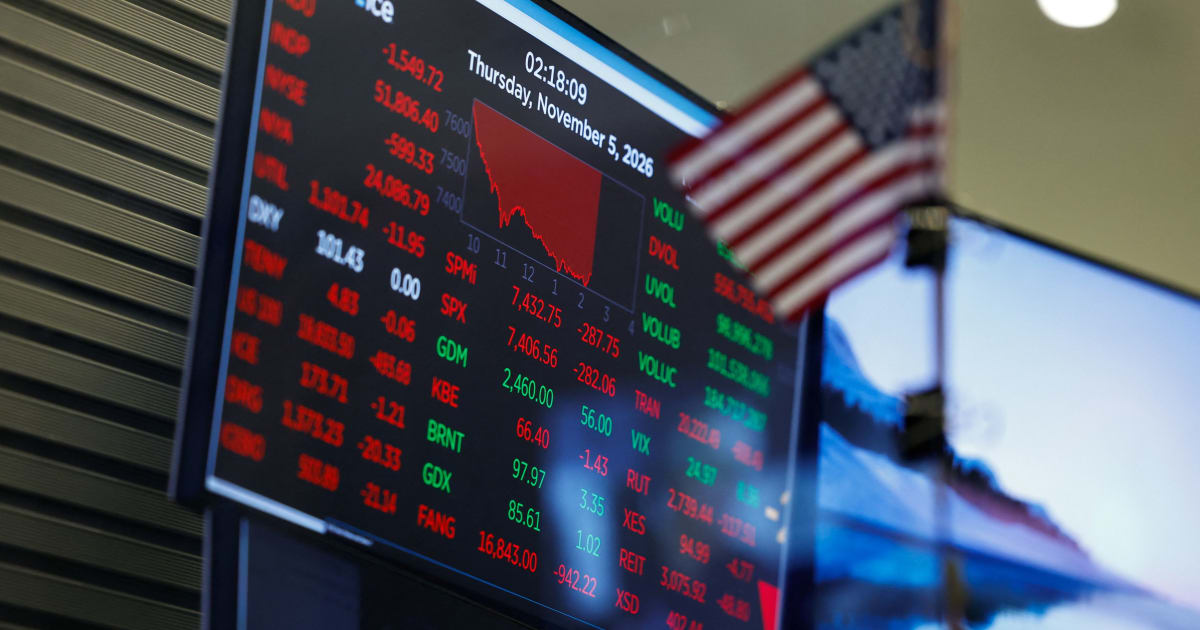
The midterm elections are over, and investment firm T. Rowe Price has released a fresh outlook on what comes next. Leaders are now looking at how new political power will change government policy, the broader economy, and financial markets. These shifts can directly impact your wallet and your everyday savings.
How post midterms policy changes impact your daily money
Election results usually lead to fresh debates about taxes, government spending, and business rules. When new leaders take office, they often try to pass laws that fit their campaign promises. Some of these plans can change how much tax you pay each year, while other plans might alter how much support businesses receive from the state.
These legal decisions do not stay in government offices. They affect how companies hire workers, what items cost on store shelves, and how banks set interest rates. A shift in government spending can slow down inflation or push prices higher, which directly touches your grocery bill and monthly rent.
What is next for the economy and financial markets?
Financial markets always react when the balance of political power shifts. Investors want to know if laws will help companies grow or bring more rules that limit profits. Because of this, stock prices and bond yields can move quickly right after major election results become clear.
T. Rowe Price looked closely at these market trends to help people prepare for the months ahead. When the rules for energy, technology, or banking change, the stock values in those sectors often move up or down. Keeping an eye on these early signals helps families make smarter choices with their money.
Key areas to watch after the vote
Here are the main things that usually change after a major election cycle:
- Tax rules: Lawmakers may push for new tax cuts or seek higher taxes on specific groups.
- National budgets: New spending plans can direct cash toward specific projects or cut back on old programs.
- Market stability: Stock values often move while traders try to guess how new laws will work.
- Job growth: Policy shifts can encourage companies to expand or force them to freeze hiring.
Each of these points can shape the overall strength of the economy. When leaders argue over the national budget, it can cause short bouts of worry across Wall Street. Over time, clear rules help companies make steady plans for the future.
How to protect your savings right now
It is easy to feel nervous when you hear about big policy changes in the news. However, making quick changes to your bank accounts or retirement funds based on political headlines is often a mistake. History shows that markets tend to settle down once the new balance of power becomes normal.
The smartest move is to focus on what you can control in your own home. Build a steady emergency fund so surprise expenses do not knock you off track. Keep your long-term investments spread out across many areas so a drop in one sector does not hurt your entire nest egg.

Comments
Post a Comment